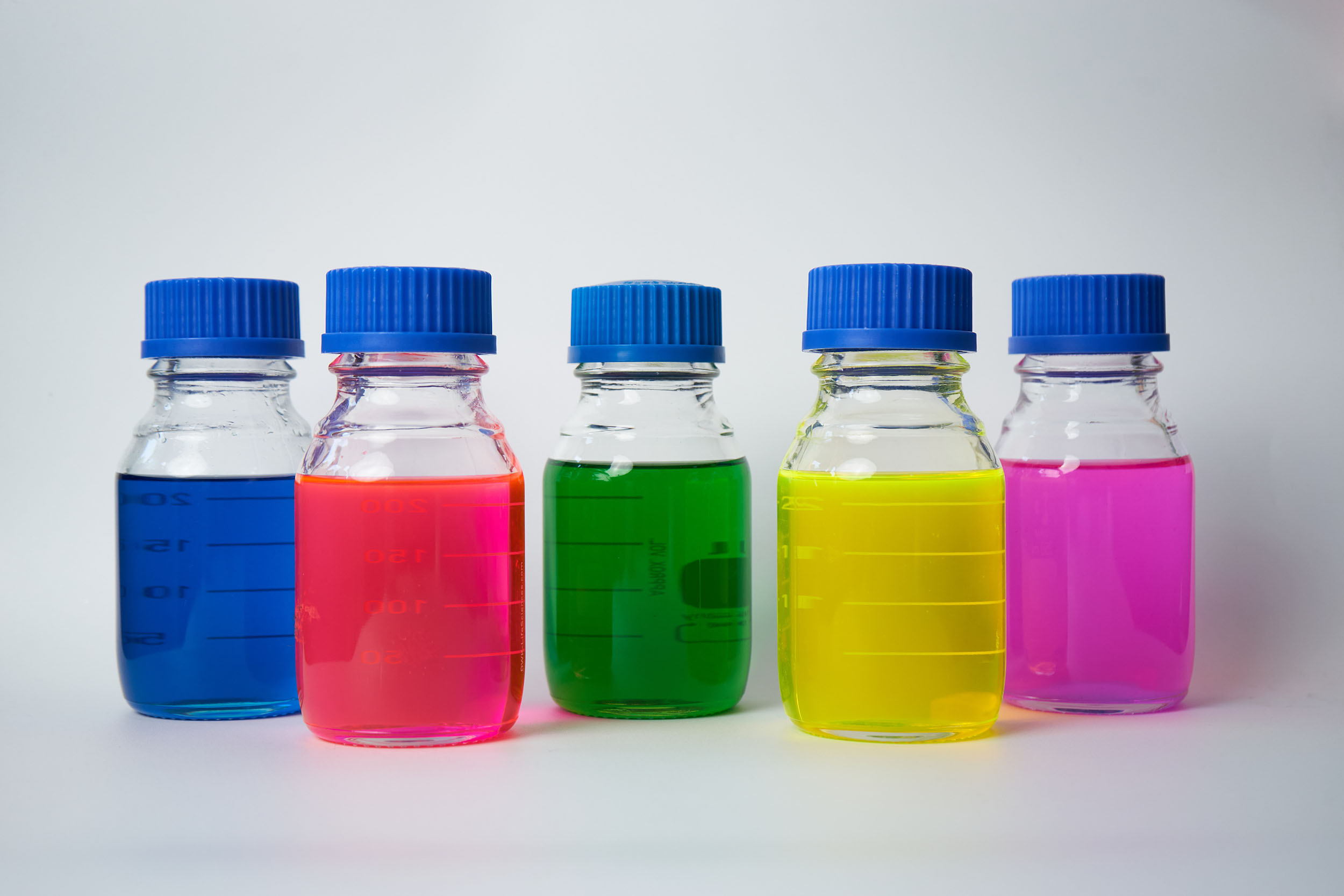
Often invisible but essential, the heat transfer fluid, commonly known as antifreeze, lies at the heart of many HVAC systems, refrigeration units, and even automobiles. In particular, glycol-based fluids, such as ethylene glycol or propylene glycol, play a crucial role in ensuring the efficiency, safety, and longevity of these systems.
Relying on an experienced antifreeze manufacturer is key to providing optimal protection for circuits, from vehicle engines to industrial heating and cooling systems, and even solar thermal installations.
Why Experience Makes the Difference? A reliable manufacturer does more than simply mix chemicals, they bring expertise and deep knowledge to every aspect of the product.
Proper chemical composition: Balanced formulations not only lower the freezing point but also include corrosion inhibitors essential to protect aluminum, copper, cast iron, and other materials from chemical and electrochemical damage. Poorly formulated antifreeze can lead to corrosion, blockages, or premature failures.
Quality standards and compliance: An experienced manufacturer adheres to industrial standards (ASTM, ISO) and OEM specifications, ensuring safety and effectiveness for the intended application.
Material compatibility: Choosing the correct heat transfer fluid protects seals, pipes, and internal components. Using the wrong type, such as ethylene glycol in a system that requires propylene glycol, can irreversibly damage the circuit.
Stability and long service life: Advanced formulations offer greater thermal stability and longer service life, reducing the need for frequent replacements and lowering long-term maintenance costs.
Investing in a high-quality antifreeze means more than just protection against freezing, it preserves the chemical and mechanical health of the entire circuit, maintaining efficiency and extending the system’s lifespan.